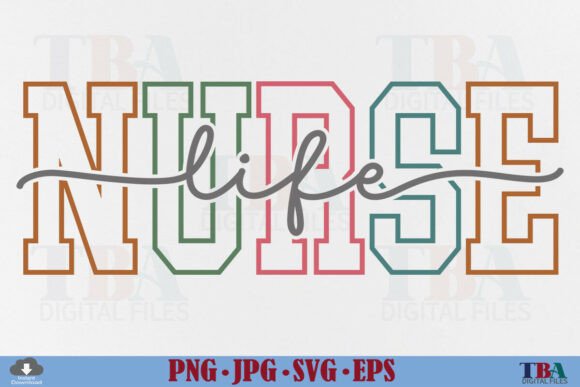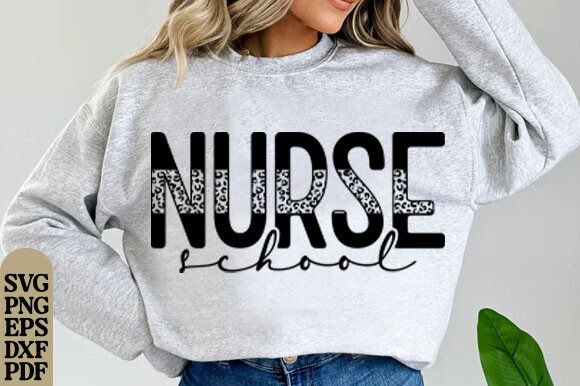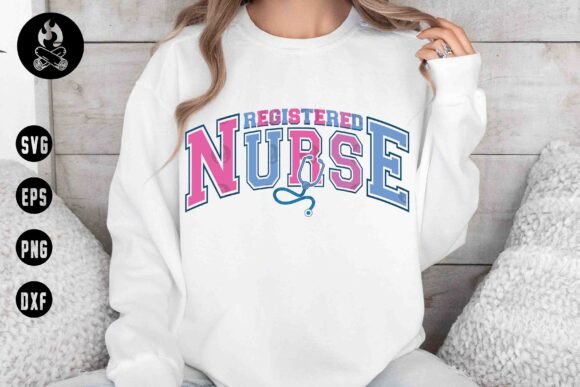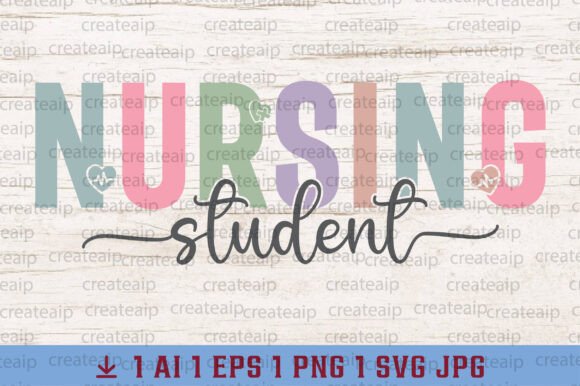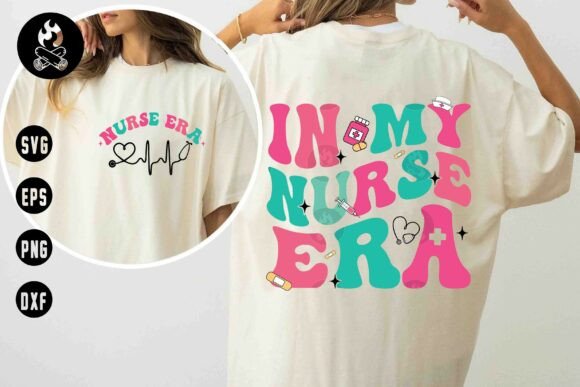
In My Nurse Era SVG, Healthcare SVG
First Impressions: Retro Charm Meets Real-World Wearability
When I opened In My Nurse Era SVG, Healthcare SVG, what struck me wasn’t just the bright color palette or playful medical doodles—it was how instantly recognizable it felt. The retro-styled text sits confidently at the center, flanked by clean-lined pills, a compact stethoscope, and a subtle syringe. It’s cheerful without being childish, professional without feeling sterile. As an embroidery designer who’s stitched hundreds of healthcare-themed projects—from NICU baby blankets to ER staff appreciation gifts—I immediately pictured this on a heavyweight cotton tote bag for a nurse’s graduation gift. Not as a quick digital print, but as a fully embroidered piece: dense fill stitches in the letters, satin-stitched outlines on the icons, and light running-stitch accents for texture.
Where It Shines—and Where It Needs Thought
In My Nurse Era SVG, Healthcare SVG works beautifully for custom apparel and small-batch merchandise where personality matters more than pixel-perfect minimalism. I tested a scaled-down version (4.2” wide) on a midweight unbrushed sweatshirt—using tear-away stabilizer and 40-weight poly thread—and the lettering held crisp edges, while the icons retained legibility without bleeding or puffing. That said, it’s not a one-size-fits-all machine embroidery design. On thin jersey tees? I’d avoid stitching the full layout unless using lightweight cutaway stabilizer and reducing stitch density manually. On curved surfaces like caps? The central text flows well, but the outer doodles start to distort past the front panel’s flat zone—best reserved for flat-front embroidery or repositioned as standalone elements.
For baby embroidery or nursery decor, I’d isolate just the stethoscope + “Nurse Era” wordmark—smaller scale, softer thread tones, and simplified fill areas. The original design’s energy is infectious, but its detail level demands intentionality. On tea towels or aprons? Perfect—especially when paired with a coordinating monogram or date in a neutral thread. As a tote bag design or embroidered patch? Strong visual hierarchy and balanced negative space make it hold up even after repeated washing.
Real Use Case: A Boutique Nurse Appreciation Bundle
Last month, I helped a local boutique owner prepare a holiday collection for frontline staff. She wanted something warm, proud, and unmistakably *nursing*—not generic “healthcare worker” fare. We chose In My Nurse Era SVG, Healthcare SVG as the anchor graphic and built around it: embroidered pillow covers (using a slightly condensed version), matching kitchen towels (with reduced icon density), and iron-on patches for scrubs. Customers responded strongly—not just to the theme, but to how the design *felt* handmade. The retro styling translated authentically in stitch: rounded satin-stitch curves on the syringe, tight fill stitches in the “R” and “E”, and just enough open space between elements so the fabric could breathe. No overcrowding. No visual fatigue.
What This Design Says About Your Brand
Using In My Nurse Era SVG, Healthcare SVG signals that you understand your audience’s identity—not just their job title. Nurses don’t want clinical sterility or cartoonish clichés. They want wit, warmth, and wearability. When stitched well, this design elevates a simple sweatshirt into a personalized gift. It builds trust because it doesn’t try too hard—it’s confident, clear, and quietly detailed. For Etsy sellers and craft fair vendors, that translates directly to higher perceived value and stronger repeat engagement. Buyers recognize authenticity in the balance: bold enough to stand out, refined enough to feel intentional.
Practical Embroidery Designer Notes
- Always test first—especially on textured or stretchy fabrics. Run a sample on scrap fabric using your intended stabilizer and thread colors before committing to client work.
- Check small details: The pill icons include fine inner lines—verify they’ll resolve cleanly at your target size. If stitching below 2.5”, consider simplifying those strokes or converting them to solid fills.
- Thread color contrast matters. On dark fabric, avoid light yellow or pale pink fills unless you’re willing to add underlay. Stick to high-contrast combos: navy + white, charcoal + coral, black + mint.
- Hoop size isn’t optional. This design spreads comfortably across a 5x7 hoop—but if you’re working with smaller hoops (4x4), plan ahead: crop or reposition elements rather than shrinking the entire layout.
- Review licensing before selling finished products or digital embroidery files. Since In My Nurse Era SVG, Healthcare SVG is listed as a Graphics product in the T-Shirt Designs category, confirm whether commercial use is permitted for both physical goods and digital resale.
- Mock it smartly: Generate printable mockups in both light and dark fabric previews. Try black-and-white versions to assess tonal balance—some retro palettes lose clarity when desaturated.
Beyond the Stitch: Why This Design Fits Real Life
This isn’t just another trendy graphic—it’s a conversation starter. I’ve watched nurses pause mid-store to point at a tote bag with In My Nurse Era SVG, Healthcare SVG stitched on the front. They smile. They tag a friend. They ask where it’s from. That kind of organic resonance is rare in machine embroidery design—and it comes from thoughtful composition, not just clever copy. The layout leaves room for growth (add a name, year, or specialty badge), adapts across product types (tote bag design → sweatshirt embroidery → embroidered patch), and maintains dignity without sacrificing joy.
If you’re curating design assets for a craft business—or choosing your next best-selling embroidery file—In My Nurse Era SVG, Healthcare SVG earns its place not because it’s flashy, but because it’s functional, expressive, and human-centered. It respects the wearer’s story while delivering clean, stitch-ready geometry. And in a market flooded with generic clipart, that kind of grounded intention is exactly what makes a handmade product feel like a gift, not just gear.