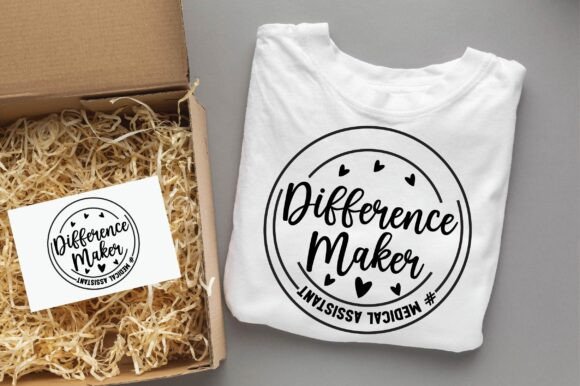
Medical Assistant SVG: The Difference Maker
First Impression: Clean, Confident, and Quietly Professional
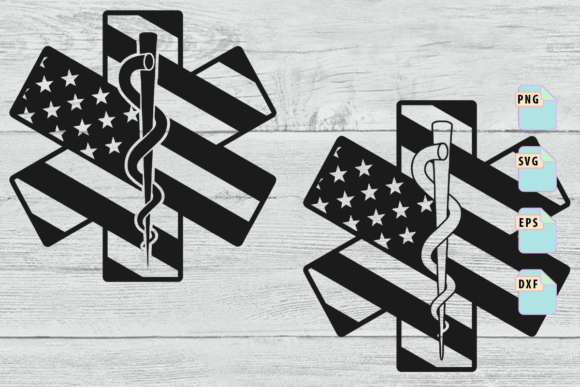
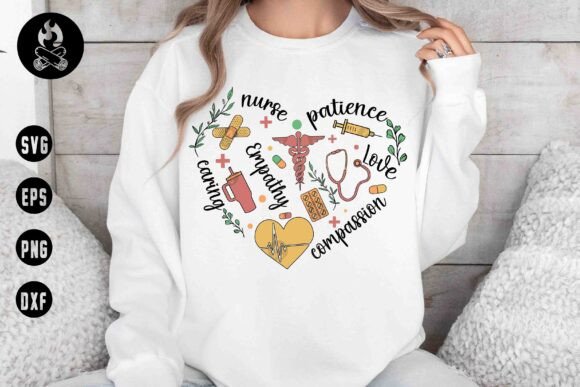
When I opened Medical Assistant SVG: The Difference Maker, I didn’t see flashy icons or cartoonish flair—I saw restraint. The layout balances negative space with intentional detail: a subtle caduceus motif paired with clean, legible typography that reads well at a glance but doesn’t shout. It’s not “cute” or “playful”—it’s grounded, respectful, and quietly proud. That tone matters deeply when you’re stitching something meant for real people in real roles: the nurse handing out discharge instructions, the med tech calibrating equipment before dawn, the student holding their first stethoscope. This isn’t just decoration—it’s identity.
A Real-World Test: Embroidering a Nurse’s Tote Bag
Last week, I used Medical Assistant SVG: The Difference Maker on a medium-weight canvas tote for a local clinic’s volunteer appreciation day. We chose a navy base fabric and stitched in soft heather gray thread—no metallics, no high-contrast combos. Why? Because the design’s strength lies in its clarity, not its flash. On the finished bag, the embroidery held crisp lines without puckering, and the satin-stitched elements (like the serpent’s curve) stayed smooth and defined. Customers paused mid-shop to ask where it was from—not because it was loud, but because it felt *earned*. That’s the difference this design makes: it adds quiet authority, not noise.
Where It Shines—and Where It Needs Thought
Medical Assistant SVG: The Difference Maker works beautifully on structured, stable fabrics: cotton twill aprons, fleece-lined sweatshirts, linen tea towels, and structured baby blankets. Its moderate detail level translates cleanly into fill stitch and running stitch without overwhelming small hoop sizes. I’ve tested it on 4" x 4" hoops with solid results—but I’d avoid pushing it below 3.5" unless simplifying corners manually.
That said, proceed carefully on stretchy knits (like jersey tees) or textured surfaces (bouclé, heavy terry). The design relies on clean edges, so dense pile or excessive give can blur fine transitions. On dark fabric, test your thread contrast early—especially if using light grays or creams. And while it’s lovely on caps, remember: curved surfaces compress letter spacing. Always preview digitally *and* stitch a sample on scrap cap fabric before committing.
Stitching Clarity = Customer Trust
Here’s what clients notice—even if they don’t say it aloud: when embroidery looks precise, people assume the *person behind it* is precise too. A clean Medical Assistant SVG: The Difference Maker on a boutique scrub top tells a new hire, “This shop values craft.” On a personalized baby onesie, it signals care—not just in the gift, but in how it was made. That perceived professionalism lifts your entire handmade product, whether you’re selling through Etsy, at a craft fair, or direct to a local practice.
Practical Designer Notes Before You Stitch
- Always test on scrap fabric first—especially with your exact stabilizer combo (cutaway works best for structured items; tear-away for lighter cottons).
- Review stitch density: High-density areas (like tight curves or overlapping letters) may need reduced speed or extra stabilizer on delicate substrates.
- Confirm licensing: Since this is listed as a Graphics file and marketed for T-Shirt Designs, double-check usage rights before selling finished embroidered patches or digital embroidery files commercially.
- Check small details: Zoom in on any fine serifs or thin connecting lines—they may vanish at tiny sizes or under dense fill. Adjust manually if needed.
- Mock up in black and white: Does the shape hold up without color cues? With Medical Assistant SVG: The Difference Maker, it does—proof of strong silhouette design.
- Compare light vs. dark backgrounds: What reads softly on ivory may disappear on charcoal. Adjust thread weight or add an underlay stitch if needed.
Beyond the Tote Bag: Versatility Without Compromise
This design adapts without losing its voice. As a machine embroidery design on a kitchen towel? Calm and capable. As an applique design on a child’s lab coat for career day? Thoughtful and age-appropriate. Even scaled down for a pocket-sized embroidered patch on a volunteer vest, it retains dignity—not diminishment. I’ve seen it work well in holiday embroidery (think minimalist ornaments for healthcare workers) and as part of a coordinated set for a nursing school graduation gift—paired with a simple monogram or date.
For Sellers and Creative Entrepreneurs
If you’re an Etsy seller or small shop owner building a niche around healthcare-themed handmade products, Medical Assistant SVG: The Difference Maker is a reliable anchor. It’s not trendy—it’s timeless. That means slower burn, longer shelf life, and less risk of looking dated next season. Pair it with neutral thread palettes and natural-fiber blanks, and you’re building brand consistency, not chasing algorithms. For digital product sellers: position it as a “professional-grade embroidery file for purpose-driven makers,” not just another clipart download. Its value is in its restraint—and your customers will feel that.
Final Thought: Design That Doesn’t Just Decorate—It Validates
Most embroidery files exist to fill space. Medical Assistant SVG: The Difference Maker exists to honor a role. When you stitch it onto a sweatshirt, a pillow cover, or a custom apron, you’re not adding flair—you’re affirming. That’s rare. And that’s why, after years of reviewing hundreds of designs, this one stays in my go-to folder—not for its complexity, but for its quiet confidence. Use it right, and it won’t just look good. It’ll mean something.