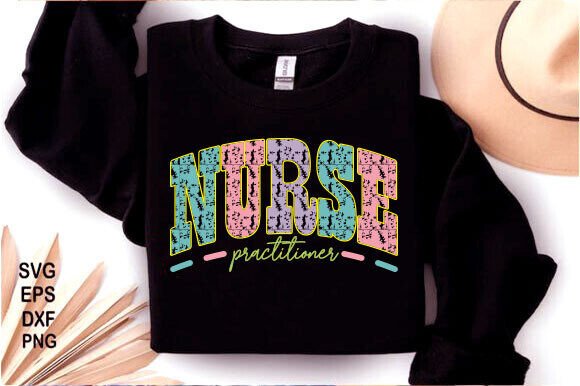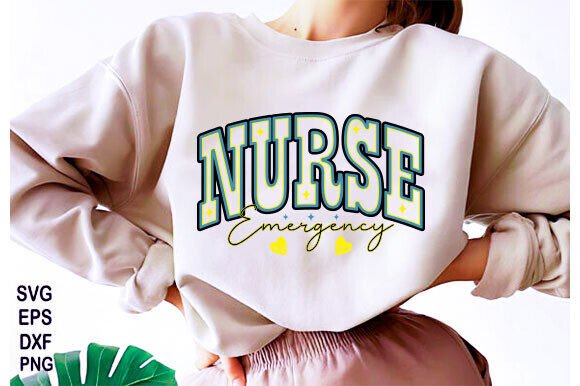
Nursing SVG, Nurse PNG Design
A Designer’s First Look: Clean, Warm, and Immediately Recognizable
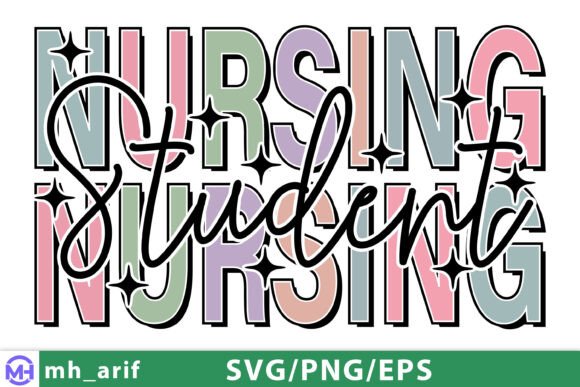
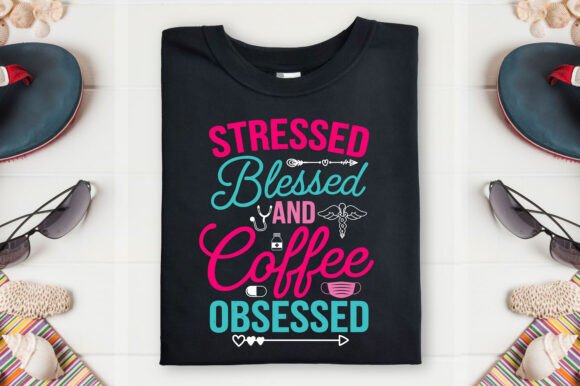
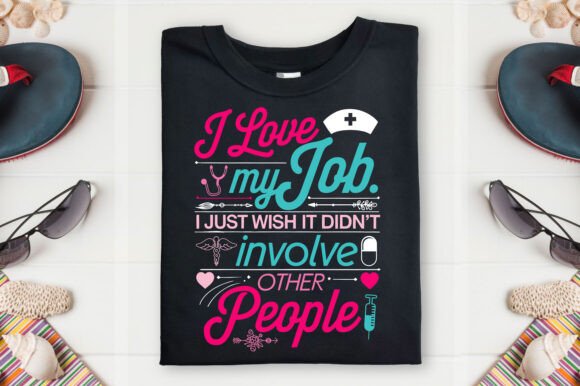
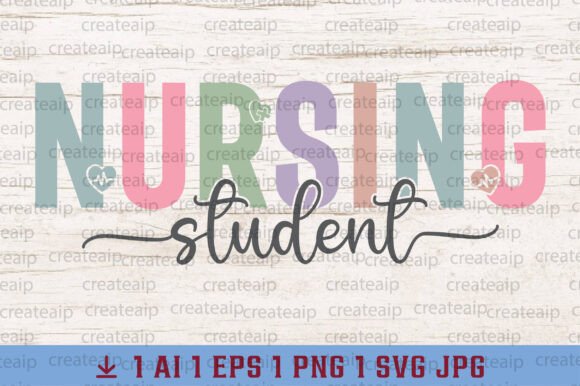
When I opened Nursing SVG, Nurse PNG Design for the first time, my eye went straight to its balance—soft curves, gentle line weight, and just enough detail to feel intentional without tipping into clutter. It doesn’t shout; it nods respectfully. That matters. As someone who regularly selects embroidery files for boutique aprons, hospital staff gifts, and new-nurse welcome kits, I know how easily a “nurse-themed” design can slip into cliché or sterility. This one avoids both. The shape reads clearly at small sizes, the negative space breathes well, and the overall silhouette feels inclusive—not gendered, not overly clinical, not cartoonish. It lands somewhere between heartfelt and professional, which makes it unusually versatile for real-world embroidery projects.
How It Stitches: From Screen to Fabric Reality
I tested Nursing SVG, Nurse PNG Design on a medium-weight cotton tote bag using standard tear-away stabilizer and 40-weight polyester thread. The stitch-out was clean—no skipped stitches, no thread nesting, and minimal trimming needed. The satin stitch edges held their shape beautifully on the flat surface, and the fill areas stayed smooth without excessive density. On a lightweight sweatshirt next, I switched to cut-away stabilizer and slightly reduced the stitch speed—and again, it held up. That tells me this is a well-constructed embroidery file, not just a traced graphic. It behaves like a true machine embroidery design, not a flattened illustration pretending to stitch.
Where it shines most is in personalization: think embroidered baby onesies for nurse parents, pillow covers for NICU staff gifts, or tea towels for a nursing school graduation. The scale adapts naturally—shrink it for a cap front (with careful hoop placement), enlarge it for a tote bag design, or pair it with a simple monogram for a custom apparel piece. I’ve used it as a standalone element on an apron pocket and as part of a layered applique design on a holiday gift set—and each time, it read clearly and felt handmade, not mass-produced.
Where to Use It Thoughtfully—And Where to Pause
This isn’t a “set-and-forget” embroidery file. Like any quality digital embroidery file, it rewards attention. On dark fabric, test your thread colors early—some lighter grays or creams may need an underlay or a white base layer to pop. On stretchy knits (like some t-shirts or baby bodysuits), always use appropriate stabilizer and consider reducing stitch density slightly in curved areas. Tiny corners—especially around delicate elements like stethoscope loops or badge outlines—can blur if hooped too loosely or stitched too fast. And while it works on caps, remember that curved surfaces compress stitch lines: run a test on scrap cap fabric before committing to a full batch.
Also worth noting: if you’re planning embroidered patch production, check whether the outer edge has a clean satin stitch border—or if it relies on fill stitch alone. That affects how cleanly it will cut and seal. Likewise, for frequent-wash items (baby embroidery, kitchen towels, scrub tops), confirm that stitch density supports durability without stiffness. A little extra testing here saves returns and rework later.
What It Adds to Your Finished Product—Beyond the Stitch
Nursing SVG, Nurse PNG Design quietly elevates perceived value. When stitched onto a linen pillow cover or a heavyweight canvas tote, it reads as considered—not generic. Customers notice that. Etsy sellers tell me buyers comment on “how thoughtful” the design feels, especially when paired with neutral thread and natural fabric. That trust transfers directly to your brand: it says you understand your audience’s pride, professionalism, and quiet resilience.
For craft business owners, it also supports consistency. Whether you’re building a line of nursing-themed merchandise or curating a seasonal collection for a local hospital gift shop, this design holds its own across formats—tote bag design, sweatshirt embroidery, even printable mockups for social media previews. It doesn’t compete with your voice; it complements it. And because it’s designed for broad use (men, women, nurses and ladies), it avoids limiting your market—a real win for small shop product development.
Practical Notes Every Embroidery Designer Should Run Through
- Always test first: Stitch Nursing SVG, Nurse PNG Design on scrap fabric matching your final project’s weight and texture.
- Check contrast: View thread color options against both light and dark fabric backgrounds—even in grayscale mockups.
- Review stitch density: If your machine struggles with dense fills, adjust settings or choose alternate thread weights.
- Confirm hoop size: Know your minimum working area—some versions may require a 4x4 hoop minimum.
- Inspect small details: Zoom in on fine lines or lettering in your embroidery software before sending to the machine.
- Verify licensing: Since it’s marketed for invitations, banners, mugs, and sublimation, confirm commercial rights before selling finished products or digital design assets.
- Stabilizer matters: Match it to your fabric—not just weight, but behavior (e.g., cut-away for knits, tear-away for stable wovens).
Final Thought: A Reliable Tool, Not Just a Trend
As an embroidery product reviewer who’s seen hundreds of nurse-themed graphics come and go, I appreciate how Nursing SVG, Nurse PNG Design avoids trend fatigue. It doesn’t rely on seasonal motifs or viral slogans. Instead, it offers quiet confidence—clean execution, smart spacing, and visual warmth. That makes it ideal for long-term use: holiday embroidery one month, baby embroidery the next, personalized gift work year-round. For Etsy sellers building a cohesive catalog, for small shop owners sourcing dependable T-Shirt Designs, and for designers choosing Graphics that reflect real craftsmanship—it earns its place in the working library. Not as decoration, but as intention made tangible.