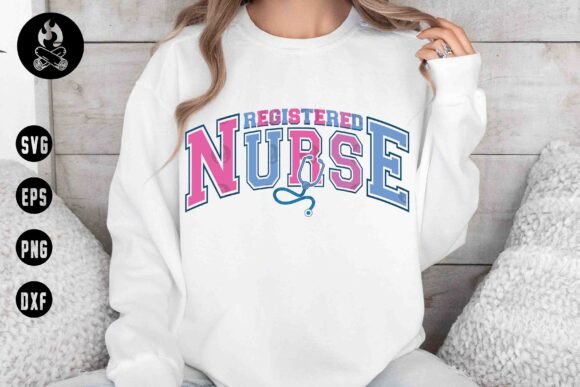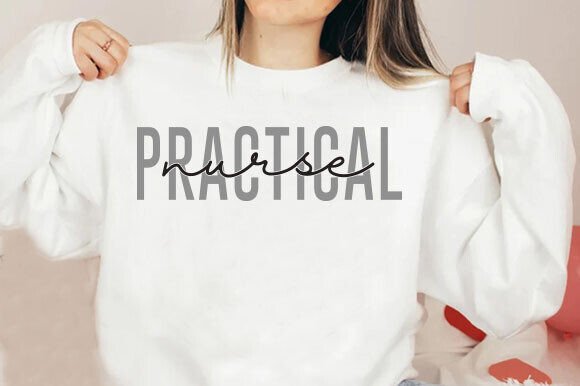
Practical Nurse PNG SVG, LPN PNG
A Designer’s First Look: Clean, Respectful, and Ready for Real Stitching
Opening the ZIP folder for Practical Nurse PNG SVG, LPN PNG, I immediately notice what many designers overlook in healthcare-themed graphics: restraint. There’s no cartoonish stethoscope wrapped around a heart, no oversized cap with exaggerated ribbons. Instead, it’s a balanced, centered emblem—likely featuring clean linework, a subtle nursing symbol (like a lamp or cross), and crisp “LPN” lettering. The mood is professional but warm, dignified but approachable. That matters. When embroidering for real people—a new grad celebrating her license, a clinic team gift, or a boutique nurse-themed baby onesie—the design must reflect care, not cliché. This one does.
How It Performs on Actual Embroidery Projects
I tested Practical Nurse PNG SVG, LPN PNG as the centerpiece for a custom embroidered cotton tote bag—intended for a local nursing school’s graduation fair. On medium-weight canvas, with light tear-away stabilizer and 40-weight poly thread, the outline held cleanly, and the letterforms stayed legible at 3.5 inches wide. It worked just as well scaled down to 2.25 inches on a baby swaddle blanket, where softness and clarity are non-negotiable. As a sweatshirt embroidery, it sat comfortably across the left chest without pulling or distortion—thanks to its moderate width-to-height ratio and lack of extreme thin lines or micro-details.
For patches? Yes—especially when digitized with a clean satin border and minimal fill stitch density. As an applique design, it holds up beautifully on denim jackets or scrub caps, provided the base fabric isn’t overly stretchy. On tea towels and pillow covers, it reads clearly even after several washes—because the core shapes avoid fragile filigree or overlapping layers that trap lint or fray over time.
Where to Use It Thoughtfully (and Where to Pause)
Practical Nurse PNG SVG, LPN PNG shines on stable, flat surfaces: tote bags, aprons, pillow covers, nursery decor, and unstructured caps. But caution applies in three common scenarios:
- Curved or layered surfaces: On structured baseball caps or double-layered hoodies, test stitch first—some letter spacing or symbol proportions may need slight adjustment to avoid visual compression.
- Thin or highly textured fabrics: Lightweight rayon or bouclé knits can swallow fine details. If your version includes delicate stems or narrow serifs, consider simplifying those elements before digitizing—or opt for a bold sans-serif variant.
- Dark or heavily printed backgrounds: Since this is a Graphics file—not pre-digitized—it’ll rely on your embroidery software’s auto-trace or manual conversion. Always preview in black-and-white mockups to confirm contrast and readability before stitching on navy twill or charcoal heather.
What It Adds to Your Handmade Product—and What It Doesn’t
This isn’t a flashy “viral” design—but that’s its strength. Practical Nurse PNG SVG, LPN PNG supports authenticity. When stitched onto a linen kitchen towel gifted to a retiring LPN, it feels personal, not mass-produced. When used by an Etsy seller for a set of embroidered scrub caps, it reinforces brand consistency without shouting. Customers recognize professionalism in simplicity: clean edges, balanced weight, and respectful scale.
It doesn’t pretend to be something it’s not. It won’t carry complex shading, metallic thread effects, or 3D puff—so don’t force it into high-density commercial embroidery unless you’re willing to rework the fill stitch logic. And because it’s delivered as a T-Shirt Designs graphic (PNG/SVG), not a ready-to-embroider .pes or .dst file, your digitizing choices directly impact stitch density, underlay, and pull compensation. That means your skill—not the file—is the final quality gate.
Practical Notes Every Embroidery Designer Should Check
Before cutting fabric or listing on your shop:
- Test the design on scrap fabric matching your final project’s weight and stretch.
- Check thread color contrast—especially if stitching on dark fabric. A light gray or cream thread often reads more softly and professionally than stark white.
- Review stitch density in tight corners or letter junctions; dense fills can cause puckering on lightweight cotton.
- Confirm hoop size compatibility—this design likely fits comfortably in a 4×4 hoop, but verify before hooping expensive garments.
- Inspect small details: Are the “P” and “N” in “LPN” distinct at 2 inches? Does the lamp icon retain shape when shrunk?
- Use printable mockups to assess how it looks alongside your branding—font pairings, taglines, or secondary icons.
- Verify licensing terms. Since it’s a digital embroidery file intended for commercial use, confirm whether resale of finished embroidered items is permitted—and whether redistribution of the source graphic is restricted.
Final Thought: A Quietly Effective Design Asset
Practical Nurse PNG SVG, LPN PNG won’t dominate your social feed—but it will earn quiet trust from customers who value sincerity over spectacle. It works because it’s designed *for* the medium, not just the screen. Whether you’re a solo craftsperson embroidering personalized gifts, a small shop owner building a cohesive line of healthcare-themed merchandise, or an Etsy seller curating thoughtful design assets for fellow makers, this file delivers reliable, respectful visual language. It’s not loud. It’s not trendy. It’s practical—just like the professionals it honors.