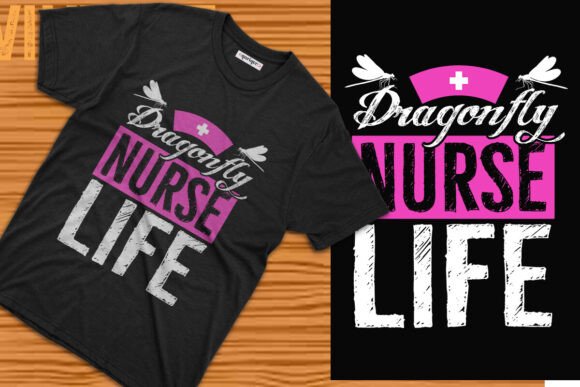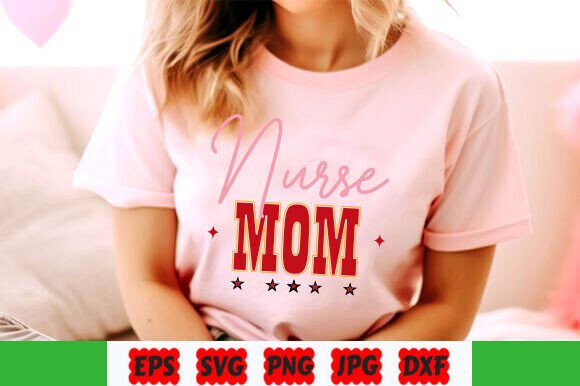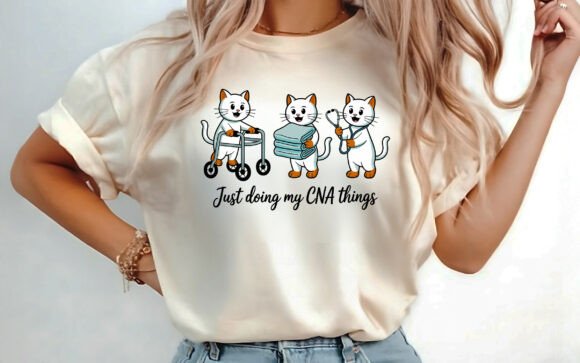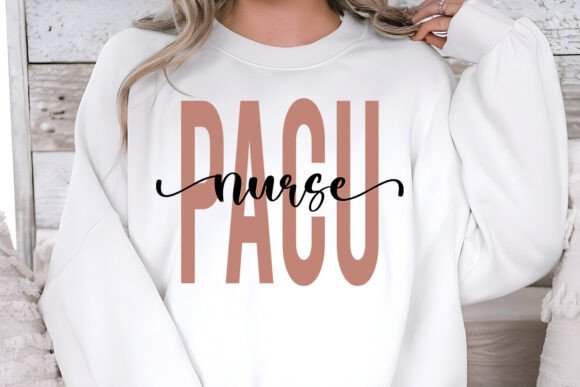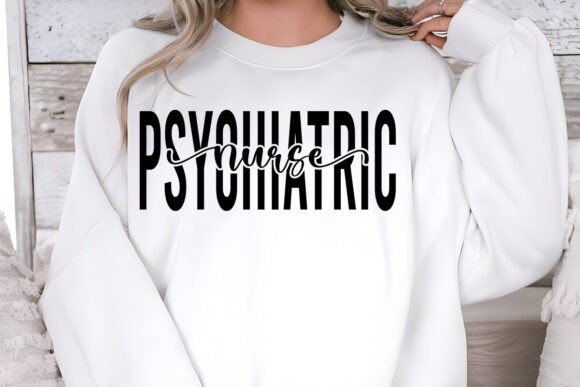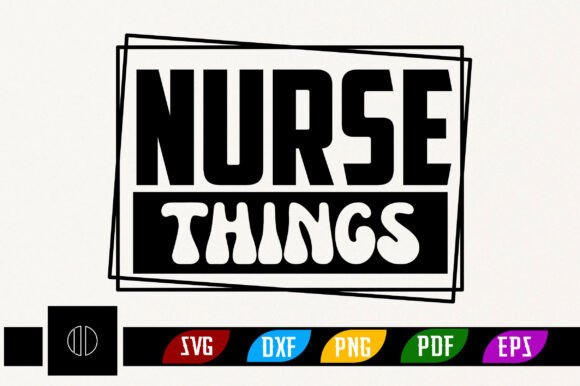
Nurse Things SVG Design
First Impressions: Friendly, Focused, and Ready for Real Stitches
Opening the Nurse Things SVG Design zip file feels like flipping through a well-organized sketchbook—clean, intentional, and instantly recognizable. It’s not overly cutesy or clinical; it strikes that rare balance between warmth and professionalism. The layout centers on a cohesive nurse-themed motif—think stethoscope curves, subtle heart accents, and clean, legible lettering (no fragile serifs or micro-details). Visually, it reads at a glance: friendly enough for a baby onesie, polished enough for a boutique apron, and versatile enough to scale across fabric types without losing charm.
A Real Project Test: Embroidering a Nurse-Themed Tote for a Hospital Gift Shop
Last week, I prepped this design for a custom embroidered tote bag—intended for a local hospital gift shop’s staff appreciation launch. We used midweight cotton canvas, medium tear-away stabilizer, and 40-weight polyester thread in navy and soft white. The Nurse Things SVG Design stitched cleanly at 3.5" wide, with no skipped stitches or thread breaks. Satin-stitched outlines held crisp definition, and fill areas stayed smooth—not puffy, not thin. Customers responded immediately: “That looks handmade, not mass-produced,” one said. That’s the quiet win: this design supports authenticity, not just decoration.
Where It Shines—and Where to Pause
The Nurse Things SVG Design works especially well for:
- Custom apparel: Sweatshirt embroidery holds up beautifully—no distortion around shoulder seams when hooped correctly.
- Tote bag design: Its balanced proportions prevent visual sinking on wide, flat surfaces.
- Baby embroidery: Gentle curves and open spacing avoid overwhelming tiny onesies or burp cloths.
- Embroidered patch: Clean edges and moderate stitch density make it ideal for iron-on or sew-on patches.
- Holiday embroidery: Paired with red-and-cream thread on tea towels or kitchen aprons, it reads festive without being seasonal.
But here’s where attention matters:
- Small hoop sizes: At under 2", fine details (like tiny stethoscope loops) may blur—test first on scrap fabric.
- Textured fabrics: On terry cloth or heavy linen, reduce top tension slightly and use cut-away stabilizer beneath.
- Stretchy fabric: For nurse scrubs or lounge tees, always pair with lightweight fusible stabilizer to prevent puckering.
- Dark fabric: White or light thread pops, but test contrast in natural light—some satin-stitch areas can look washed out on deep charcoal.
- Curved surfaces: Caps or curved pillow covers require repositioning the design to avoid distortion—don’t force it into tight crowns.
What It Adds to Your Finished Product—Beyond Just Looks
This isn’t just another machine embroidery design. It elevates perceived value. When stitched on a premium cotton tote, it signals care—not just in the gift, but in the making. Customers associate clean lines and balanced spacing with craftsmanship, which builds trust faster than any product description. For an Etsy seller or small shop product, that translates to fewer returns, more repeat buyers, and stronger brand consistency across your handmade product line.
It also performs quietly in commercial contexts. As a digital embroidery file, it integrates smoothly into mockup templates—whether you’re building a printable mockup for social media or prepping listings for a craft fair. And because it avoids dense fill areas or overlapping layers, it stitches reliably across most home and small-batch commercial machines—no constant thread trimming or rehooping.
Practical Notes Every Embroidery Designer Should Check
Before stitching your first finished product, do these five things:
- Test on scrap fabric—same type and weight as your final project, with the same stabilizer and thread.
- Review stitch density in your embroidery software: if fill areas exceed 12–15 stitches/mm², consider simplifying or adjusting underlay.
- Confirm hoop size compatibility: This design scales well, but verify your machine’s max hoop dimension before resizing beyond 4.5".
- Inspect small details in vector preview mode—especially inner corners and letter junctions—to catch potential nesting issues.
- Check licensing: Since this is a digital download only purchase, confirm whether the license permits commercial use of finished items (e.g., selling embroidered totes) or restricts resale of the embroidery file itself.
Fitting Into Your Creative Workflow—Not Just Your Hoop
As a craft business owner, I’ve seen dozens of nurse-themed graphics—many overdesigned or too literal. What makes Nurse Things SVG Design different is its restraint. It doesn’t shout; it invites. That makes it adaptable: swap thread colors for a pediatric clinic’s mint-and-gray palette, or simplify to monochrome for minimalist nursery decor. It fits naturally into T-Shirt Designs collections, but it’s equally at home on aprons, pillow covers, or holiday gift sets.
For creative entrepreneurs, this is more than a graphics asset—it’s a reliable touchpoint. When customers see it on a well-made item, they don’t just recognize the profession—they recognize your attention to detail, your understanding of context, and your commitment to quality execution. That’s how a simple embroidery file becomes part of your signature.
If you’re building a digital product library, prioritize designs like this one: clear intent, smart spacing, and quiet versatility. Because in the end, the best embroidery project isn’t the flashiest—it’s the one that stitches cleanly, sells confidently, and makes your customer feel seen.