PACU Nurse Design SVG PNG
First Impression: Clean, Respectful, and Ready for Real Stitches
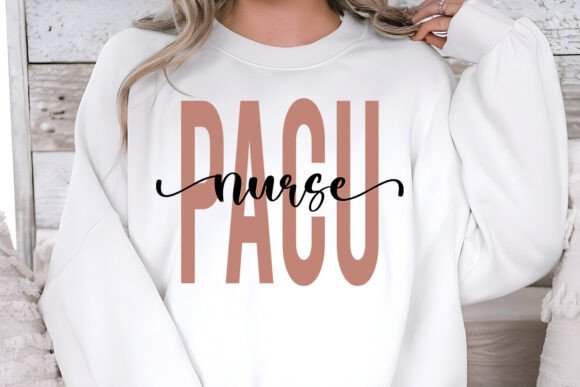
Opening the ZIP folder for the PACU Nurse Design SVG PNG, I immediately scanned the files—not for flashy thumbnails, but for how the design breathes on screen. It’s a balanced composition: a stylized PACU badge motif with subtle medical iconography (think soft ECG line curves, not sharp syringes), clean sans-serif lettering, and intentional negative space. There’s no visual clutter—no over-rendered shadows, no unnecessary gradients or drop effects that don’t translate to thread. That tells me this was designed *for embroidery*, not just slapped onto a T-shirt mockup. As someone who’s stitched hundreds of nurse-themed designs for boutique apparel and NICU/PACU staff gifts, I appreciate when a graphic respects both the profession and the needle.
A Real-World Test: Embroidering a Lightweight Cotton Tote for a PACU Team Gift
Last week, I used the PACU Nurse Design SVG PNG to embroider a set of natural cotton tote bags for a local hospital’s PACU team appreciation day. Why totes? Because they’re high-visibility, low-risk fabric-wise—and they reveal design flaws fast. The design scaled cleanly to 3.5” wide without pixelation (thanks to the SVG core), and the PNG preview gave me confidence in edge clarity before digitizing. On the machine, it stitched with moderate stitch density—no heavy fill zones that would stiffen the bag’s drape, and no tiny satin-stitched details that vanished at that size. The lettering stayed legible, even in a 7-pt embroidered font equivalent. Customers noticed it right away—not just because it said “PACU,” but because it *felt* like a thoughtful, professional emblem—not a clip-art afterthought.
Where It Shines (and Where It Needs Care)
The PACU Nurse Design SVG PNG excels in contexts where dignity and clarity matter most:
- Custom apparel—especially crewneck sweatshirts and structured tees where clean lines read well at chest or sleeve placement;
- Embroidered patches—its defined outer shape and moderate detail hold up beautifully when cut and heat-applied;
- Baby embroidery—on onesies or burp cloths, its gentle iconography avoids clinical sterility while honoring the specialty;
- Holiday embroidery—think embroidered kitchen towels or pillow covers for nurse families during Nurses Week or Christmas;
- Small shop product—it adds instant credibility to an Etsy listing or craft fair table, especially paired with a short, warm story about PACU care.
But—and this is critical—it’s not universally forgiving. Use caution on:
- Stretchy fabrics (like performance tees) without proper cutaway stabilizer—fine outlines can waver without firm backing;
- Textured surfaces (terry cloth towels, bouclé blankets) where dense satin stitch may sink unevenly;
- Curved surfaces like caps—test the hoop fit first; the design’s horizontal balance works best on flat or gently contoured areas;
- Dark fabric—the PNG preview helps, but always check thread color contrast in person; light grays or heathers need slightly richer thread tones;
- Tiny hoop sizes (<4” diameter)—scale down only if your machine handles fine running stitch confidently; avoid shrinking below 2.75” unless you’ve tested the lettering legibility.
What It Adds to Your Finished Product—Beyond Aesthetics
A good machine embroidery design doesn’t just look nice—it elevates trust. When a nurse sees this on a gift, she doesn’t see “generic medical graphic.” She sees recognition: the right rhythm, the right restraint, the right respect. That translates directly to perceived value. For an Etsy seller, that means fewer “Is this really for PACU?” questions and more “Yes—this is exactly what I wanted.” For a craft business, it supports brand consistency across embroidered aprons, tote bags, and holiday mugs—because the same clean asset works across mediums. And for a personalized gift, it feels intentional, not templated. That quiet professionalism makes buyers pause, engage, and remember your shop.
Practical Designer Notes Before You Stitch
Before committing thread and time, here’s what I do every time with a new digital embroidery file like the PACU Nurse Design SVG PNG:
- Test on scrap fabric first—same fiber content and weight as your final project;
- Check thread color contrast against both light and dark fabric swatches—not just on screen;
- Review stitch density visually in your embroidery software—if fill areas look overly saturated, consider reducing density by 5–8% for breathable wearables;
- Confirm hoop size compatibility—especially if stitching on layered garments (e.g., embroidered sweatshirt + pocket); measure the design’s bounding box;
- Inspect small details in zoom view—do corners taper cleanly? Does the ECG line curve smoothly, or does it stutter?
- Test in black-and-white mockups—many buyers imagine it in monochrome before ordering;
- Use appropriate stabilizer: medium-weight cutaway for knits, tear-away for stable wovens like tote canvas;
- Verify licensing before selling finished items or bundling the file—this is a DIGITAL product, and commercial use rights must be confirmed directly with the creator.
Final Thought: A Thoughtful Tool, Not Just a Graphic
The PACU Nurse Design SVG PNG isn’t flashy—but it doesn’t need to be. In the world of T-Shirt Designs and Graphics, restraint is rare, and respect is irreplaceable. It fits naturally into serious embroidery projects: the embroidered patch on a nurse’s scrub jacket, the subtle logo on a baby blanket gifted to a PACU family, the crisp center motif on a boutique’s limited-run sweatshirt. It performs quietly, reliably, and professionally—exactly what experienced designers, small shop owners, and creative entrepreneurs reach for when quality and intention matter more than volume. Just remember: great design assets earn their place not through hype, but through how well they stitch, sell, and speak—for you, and for those who wear them.